
Why Cleaning Dog Toys Is More Important Than You Think
Introduction to Dog Toy Hygiene
Honestly, your dog’s toys go everywhere. They live a rough life, from muddy gardens to slobbery chewing sessions. Your dog might not care, but you definitely should. How to wash dog toys to learn properly isn’t about keeping things clean. It’s protecting your pet’s health and your home environment. For your pet’s health and safety, you should clean your pet’s toys. How to wash dog toys is an important learn to know.. Many pet owners search for how to wash dog toys without harmful chemicals. And the answer is simpler than expected. Warm water, vinegar, and baking soda are highly effective and safe . And its natural cleaning methods
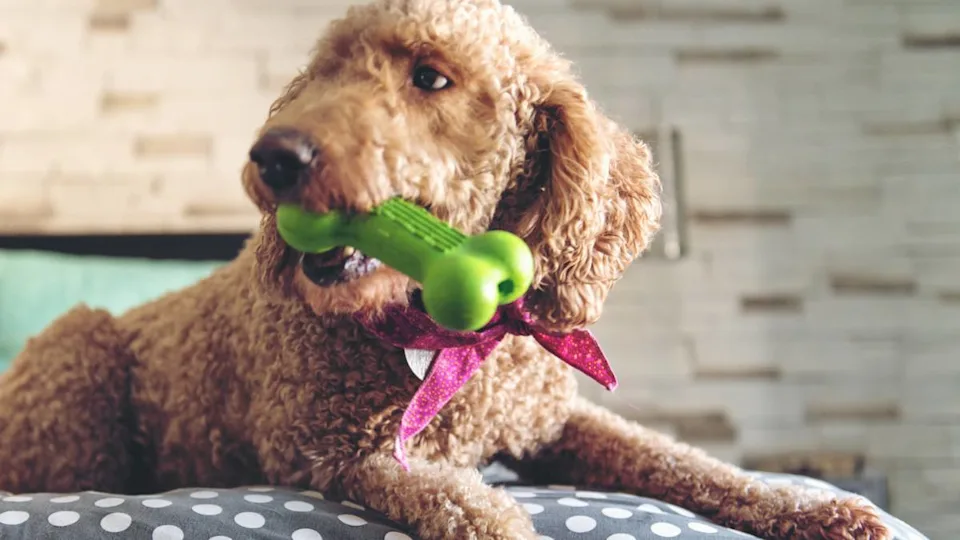
An unpleasant, odd smell usually means bacterial buildup. Understanding The best way to clean smelly dog toys at home is important . That smell is not just dirt—it is a warning sign that germs are multiplying.
A proper step-by-step guide to cleaning dog toys ensures you are not cleaning visible dirt. You are also killing hidden bacteria. Learning how to keep dog toys clean and safe should be part of every pet owner’s daily routine.
If you are new to pet care, you can follow a beginner’s guide to washing dog toys properly . It helps you in a good way.
Why Dog Toys Get Dirty So Fast
Dog toys don’t stay clean for long because they constantly collect saliva, dust, and bacteria. Even indoor toys are exposed to pollutants. For that how to clean rubber dog toys safely and other materials is important for hygiene.
It is so important to learn how to wash plush dog toys without damage. And other material-based cleaning methods are so important to learn.
Hidden Germ Buildup Over Time. Even if toys look fresh, bacteria keep rising backward. Because of this has to learn how to washing rope dog toys step by step . And learning how to disinfect plastic dog toys is necessary for long-term hygiene. Dampness and warmth create ideal conditions for bacteria to grow.
Health Risks of Dirty Dog Toys
Dirty toys can cause serious health problems. Many owners can’t understand why cleaning dog toys is important
Studies have shown that they can bear bacteria such as E. coli and Salmonella. terribly when visible to food, dirt, and saliva. Dirty toys can carry harmful germs. Which raises the question: can dirty dog toys make dogs sick? The answer is yes. These germs can lead to vomiting, diarrhea, and infections if digested.
Mold, Fungi, and Allergic Reactions. Wet toys often develop mold, which increases the health risks of dirty dog toys. This is why understanding how bacteria grows on dog toys is essential for prevention.
cause of these risks, learning how to keep dog toys germ free has to be learned. Following proper pet hygiene and toy cleaning tips is extremely important for every pet owner.
How Often and How Safely Should You Clean Dog Toys
One of the most common questions is how often should you wash dog toys. The answer depends on usage, but frequent-use toys should be cleaned every few days.
Many pet owners also ask, can you wash dog toys in the washing machine. Yes, but only plush or rope toys are safe for machine washing.
If you wonder is it safe to wash dog toys with detergent, it is safe only when using mild, non-toxic detergent.
For natural cleaning, how do you disinfect dog toys ? Naturally it can be answered with vinegar, baking soda, and sunlight.
Finally, what is the safest way to clean dog toys is to understand how to ensure long-term defense for your pet’s health.
How many times to Clean Dog Toys
How many times to clean dog toys depends on usage, but we give you some clear guidelines you can follow.
Regular Cleaning Schedule
Experts recommend that at least once a month, dog toys should be cleaned. But for the toys that are usually used, weekly cleaning is best. But many use toys—like your dog’s favorite chew toys need cleaning every few days.
Here’s a simple overview:
Toy Usage Level: Cleaning Fuse toys Every 1–7 days, Moderate use Every 2–4 weeks, Rare use Once a month
Best Ways to Clean Dog Toys by Material
All toys are not create equal. The best way to rinse dog toys depends on what they’re made of.
Washing Plush Dog Toys
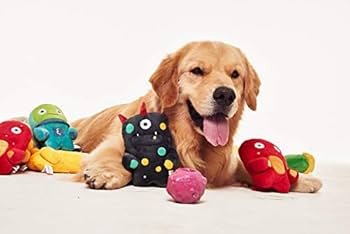
Soft toys are like sponges—they soak up drool, dirt, and bacteria. You can wash plush toys in the machine, but you should always check the label first.
Use a gentle cycle with pet-safe detergent. Avoid harsh chemicals because your dog will put that toy right back in their mouth. After washing, let it air dry completely.
Cleaning Rubber and Plastic Toys
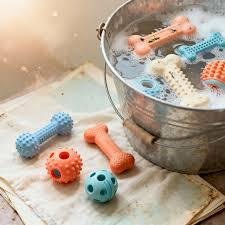
Rubber toys are easier to clean but still need attention. Use warm water and mild soap, then scrub thoroughly with a brush. For deeper cleaning, hot water helps kill bacteria effectively .
Always rinse well—soap residue can be harmful.
How to Clean Rope Toys
Rope toys are bacteria magnets. Their fibers trap dirt and moisture.
You can soak them in warm water with vinegar or toss them in the washing machine.
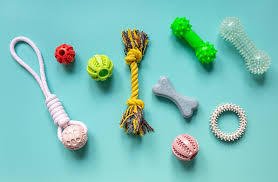
Clean them every 1–2 weeks to prevent bacterial buildup.
Washing Dog Toys in a Washing Machine
Yes, absolutely, you can try washing dog toys in a washing machine, but there’s a right way to do it.
Step-by-Step Machine Washing Guide
-
Remove loose dirt or debris
-
Place toys in a mesh laundry bag
-
Use mild, pet-safe detergent
-
Select a gentle or delicate cycle
-
Add an extra rinse cycle
This method works best for plush toys and durable rope toys.
Safety Tips for Machine Washing
Avoid washing toys with squeakers or glued parts—they can get damaged. Also, skip bleach or strong detergents, as they can leave toxic leftovers.
How to Sanitize Dog Toys Effectively
Cleaning removes dirt, but sanitizing kills germs. A proper step by step guide to disinfect dog toys includes washing, rinsing, and drying thoroughly.
Natural Cleaning Solutions Vinegar and baking soda are effective natural cleaners. They help remove odd smells and bacteria.
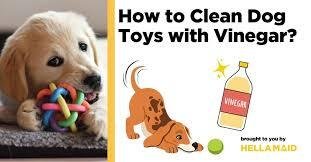
Making it easy to know how to disinfect dog toys naturally without harmful chemicals.
How to Remove Bacteria from Dog Toys Completely
Proper cleaning is essential for removing germs fully.
Heat vs Chemical Cleaning Heat is highly effective for killing bacteria, especially for rubber and plastic toys.
Proper Drying and Storage Always dry toys completely to avoid bacterial regrowth. This step is crucial for how to keep dog toys clean and safe.
Common Mistakes Pet Owners Make
Many owners unintentionally harm their pets by:
-
Not cleaning toys regularly
-
Using strong chemicals
-
Ignoring moldy toys
-
Poor drying habits
These mistakes increase health risks of dirty dog toys.
Practical Dog Toy Hygiene Routine
A simple routine helps maintain cleanliness:
-
Rotate toys weekly
-
Clean regularly based on usage
-
Inspect toys for damage
-
Replace unsafe toys
This routine supports strong pet hygiene and toy cleaning tips for long-term safety.
Conclusion
If every pet owner understands why cleaning dog toys is important, every pet owner will take better care of their furry friend. Dirty toys are not just unpleasant—they can directly impact your dog’s health. To learn and follow proper cleaning methods, you can significantly reduce health risks.
Whether you are learning how to wash dog toys without harmful chemicals or looking for the best way to clean smelly dog toys at home, consistency is key. A clean toy means a healthier, happier dog and a safer home environment for everyone
FAQs
1. How often should I clean dog toys?
The cleaning frequency of dog toys depends on how often your dog uses them and the type of toy it is. In general, frequently used toys like chew toys should be cleaned every 2–3 days because they collect saliva and bacteria very quickly. On the other hand, lightly used toys can be cleaned once every 2–4 weeks. Outdoor toys or toys that fall on the ground often should be cleaned immediately after use. Most importantly, if a toy starts to smell bad, looks dirty, or feels sticky, that is a clear sign it needs instant cleaning regardless of schedule. Keeping a consistent routine helps prevent germ buildup and keeps your dog safe from infections.
2. Can dirty dog toys make my pet sick?
Yes, dirty dog toys can absolutely make your pet sick, and this is something many pet owners don’t realize until problems appear. When toys are not cleaned regularly, harmful bacteria like Salmonella and E. coli can grow on the surface. These bacteria can enter your dog’s body through chewing and licking. Leading to digestive problems such as vomiting, diarrhea, and loss of appetite. In some cases, contaminated toys can even cause skin irritations or oral infections. Puppies, senior dogs, and dogs with weak immune systems are especially vulnerable. So, keeping toys clean is not just about hygiene—it is a direct way to protect your dog’s health.
3. What is the safest way to clean dog toys at home?
The safest way to clean dog toys at home is by using simple, non-toxic cleaning methods that do not leave harmful chemical residues. Warm water combined with mild dish soap is one of the most effective basic cleaning methods. For deeper cleaning, a vinegar and water solution works well. Because it helps kill bacteria naturally while fighting odd smells. After washing, it is extremely important to rinse thoroughly so no soap or vinegar remains on the toy. Finally, air drying is essential because moisture can lead to mold growth. Avoid harsh chemicals like bleach because dogs often put toys directly in their mouths.
4. Can I put all dog toys in the washing machine?
No, not all dog toys are safe for washing machines, so you need to be selective. Plush toys and some durable rope toys are usually safe to machine wash, especially if placed inside a mesh laundry bag. However, Electronic toys, squeakers, glued parts, or breakable parts should never be machine-washed. Because they can fracture or become unsafe. Always use a gentle cycle with pet-safe detergent and avoid high heat drying. It is also a good idea to check the manufacturer’s cleaning instructions before washing. When in doubt, hand washing is always the safer option.
5. How do I know if a dog toy is unsafe or should be replaced?
A dog toy becomes unsafe when it shows visible signs of damage or contamination. If you notice cracks in rubber toys, loose threads in rope toys, or stuffing coming out of plush toys, it is time to replace them immediately. Similarly, if a toy has a strong bad odor that does not go away even after washing, it may have deep bacterial or mold growth. Discoloration, sticky surfaces, or missing parts are also warning signs. Unsafe toys can become choking hazards or sources of infection, so it is always better to replace them rather than risk your dog’s health.
6. Why do dog toys smell bad even after cleaning?
If dog toys still smell bad after cleaning, it usually means bacteria are stuck deep inside the material. Plush and rope toys are especially prone to this because they absorb saliva and water easily. Even after outer side cleaning, hidden moisture can allow bacteria to continue expanding. It causes a fixed odd smell. Another reason could be incomplete drying, which encourages mold formation. To fix this, you may need to soak the toy in a vinegar solution. Then wash it again thoroughly. And ensure it dries completely in sunlight. If the smell still remains, replacing the toy is often the safest choice.
7. Is natural cleaning like vinegar really effective for dog toys?
Yes, vinegar and baking soda are highly effective for most dog toys. Natural cleaning methods.. Vinegar has a natural antibacterial character. It helps minimize germs and clear odors without leaving harmful scraps. Baking soda helps break down dirt and neutralize bad smells. Together, they create a powerful yet pet-safe cleaning solution. However, They are helpful for regular cleaning. They are helpful for regular cleaning. But they may not succeed in deep purification in high-risk situations like illness or heavy infection. Still, natural cleaning is one of the safest and most practical options for pet owners.